In the realm of timeless legacies,
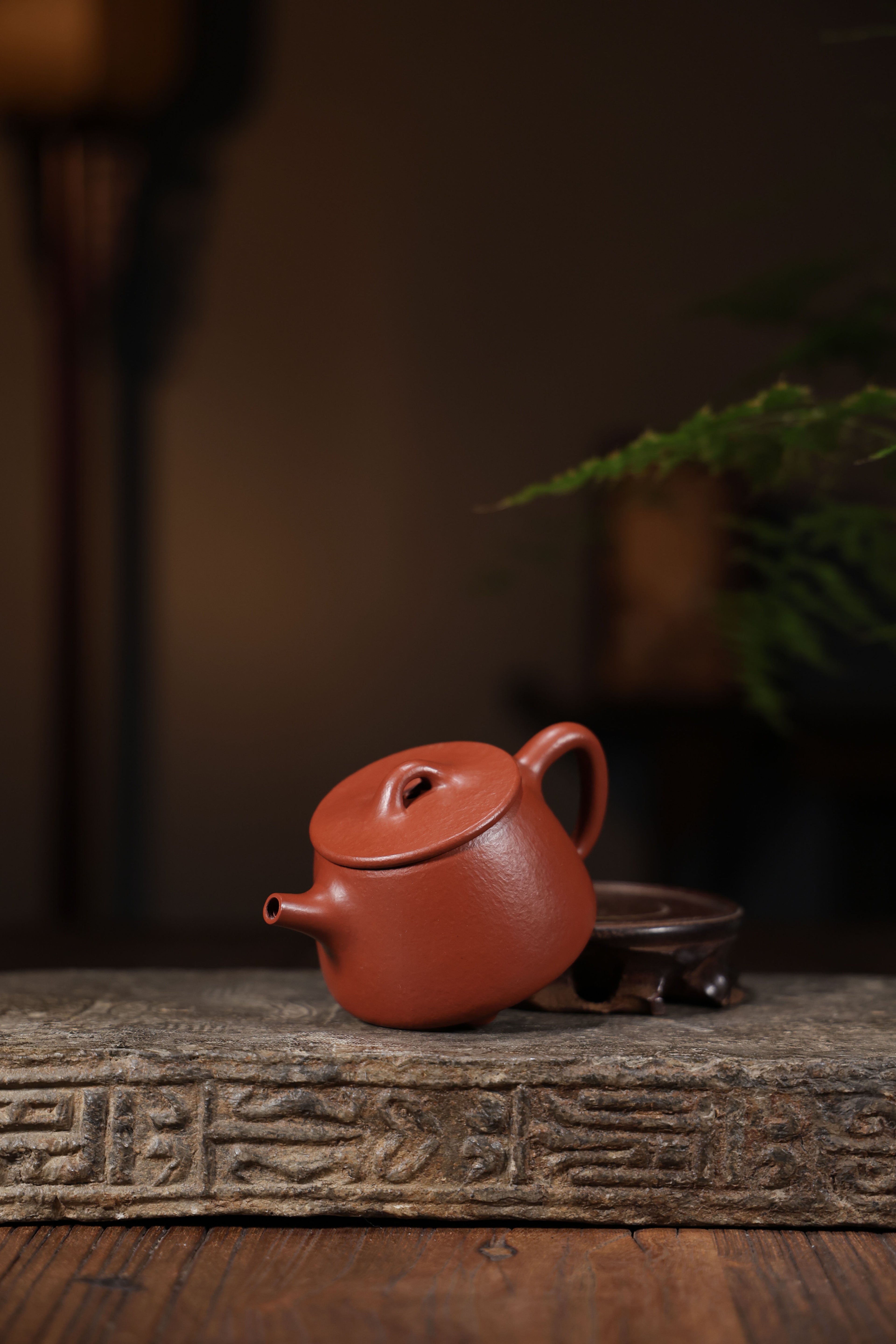
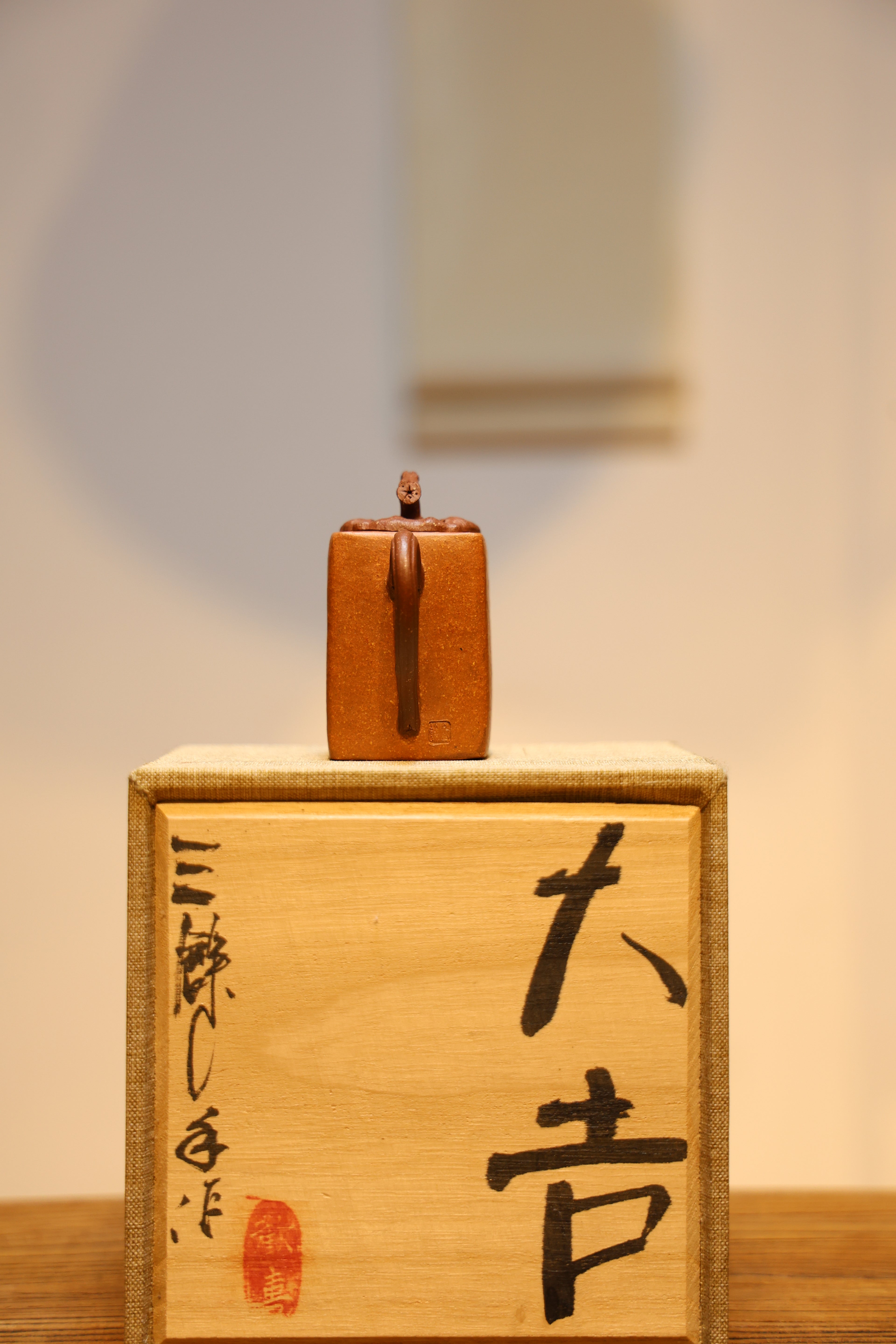
Across millennia, enthusiasts have been fascinated by the uncommon charm of Yixing Zisha teapots. Originating from the locality of Yixing in the region of Jiangsu, these utensils are renowned for their exceptional beauty, rare clay, and intrinsic ability to perfect the aroma of the drink. The material's distinctive mahogany hue, combined with the masterful fabrication of indigenous creators, creates products that are equally functional crafts and esteemed properties. Gaining a Zisha teapot is more than just every purchase; it's adopting a rich legacy heritage.
Exploring Yixing Teapots: Origins, Forms, and Price
The notable Yixing teapots stand as a deep past deeply intertwined with Chinese culture. Stemming in the Yixing region of Jiangsu province, these clay vessels possess a heritage stretching back to the Ming Dynasty. Former copyrightples were functional, but through centuries, Yixing teapot creation evolved into an esteemed art form. The clay itself, known for its unique grain and ability to augment the flavor of the tea, remains a defining factor. Yixing teapots come in various kinds, broadly categorized by shape: Established such as Zhuni (purple clay) and Bisheng, as well as advanced designs. The worth of a Yixing teapot centers on several factors, including the potter’s distinction, the age of the piece, the rarity of the clay, and its aesthetic Chinese Teapot charm.- Background: Centuries ago
- Medium: Different forms
- Valuation Parameters: Artisan fame
Zisha Pot Expertise: Practice and Makers
One production of a bona fide Zisha teapot is a complicated process, requiring generations of mastery. Expert artisans meticulously choose the prime Zisha clay, a specialized earth found only in specific regions of China. Established techniques, often bestowed through families, involve careful shaping, nuanced carving, and steady firing in ancient ovens. The culminating teapot isn't merely a holder; it's a testament to creative vision and the weighty connection between the craftsman and their background. Each object showcases the special touch of the craftsman, resulting in a truly one-of-a-kind work of creation.
Chinese Earthenware: Exploring the Extensive Traditions of Yixing Province
This Yixing, found in Jiangsu the province of Jiangsu, is worldwide renowned for its exceptional teapots – a tangible representation of centuries of Chinese heritage. These aren't merely vessels for processing tea; they are intricate works of craftsmanship, often reflecting ideological ideals. The unique purple clay, known as Zisha, possesses extraordinary qualities: the matter dense, permeable, and imparts a subtle essence to the tea.
- Plentiful clans have honed the techniques of Yixing urn making, passing down secret methods through families.
- Admirers prize these pieces for their charm and uniqueness.
- A number of urn tells a tale, connecting the consumer to a rich tradition.
Acquiring Yixing Zisha: Guiding Points
Upon considering purchasing Yixing Zisha pots, diverse points involve careful scrutiny. Initially, the substance's cast is essential; authentic Zisha typically exhibits a identifiable auburn hue. Furthermore, evaluate the craftsmanship; well-defined features and a elegant texture imply expert fabrication. To finish, copyrightine the craftsman's credentials; well-known names earn enhanced rates and often afford a secure gain.
The Art of Brewing Tea with a Zisha Teapot
Producing palatable tea with a Zisha pitcher is more over a simple practice; it's an science. Zisha clay, famous for its unique geological composition, imparts a nuanced character to the brewed tea that’s often lacking with other devices. The suitable water level is required; typically, gentler than what's used for black tea, to maintain the tea's smell and nuance. Consider mindfully the tea sort; delicate green teas or aged pu-erhs flourish from the Zisha’s ability to soften their basic edge. It’s critical to preheat the teapot ahead of brewing, and to avoid over-steeping. Mastering this procedure leads to a veritably exceptional tea occasion.
- Comprehending Zisha Clay
- Thermal Measure & Tea Sort
- Role of Pre-treatment
Protecting Your Yixing Ceramic Pot
With the aim of guarantee the persistence of your valuable Yixing clay pot, systematic preservation is absolutely mandatory. Refrain from using synthetic products; instead, carefully wash it with comfortably warm fluid. Ward off rapid temperature; please don't put the earthenware directly onto a fiery stand. Periodically, mature the urn by immersing it with choice aged infusion, as this improves to improve its patina and maintains the distinctive characteristics of the material.
Relating to Earthenware to Goblet: The Journey of a Renowned Ceramic
This creation of a Zisha teapot is a extraordinary method, a proof to both nature's bounty and the ability of the handworker. It commences with the thorough extraction of the rare clay from the reddish Zisha mines neighboring Yixing. This raw material, known for its extraordinary peculiarities, is then patiently washed and configured for the initial forming. The jar’s profile is expertly made using a amalgamation of longstanding wheel throwing procedures, often incorporating decorative enhancements. Following settling, the container undergoes a fundamental first firing, subsequent by a surface treatment stage, which might involve numerous layers of genuine Zisha paints. Finally, a second, and sometimes third, firing at maximum temperatures completes the work, revealing its conclusive beauty and superlative characteristics - a veritable masterpiece, primed to grace a tea ritual.
{Yixing Teapots: A Token of the Custom and Tribute
Famous Yixing teapots, originating from the renowned Yixing region of Jiangsu province, are far more than mere vessels for brewing the beverage; they represent a significant aspect of Chinese heritage. Created from distinctive purple clay – zisha – these extraordinary teapots are highly cherished for their ability to elevate the flavor of the tea and, crucially, for their grace. The background of Yixing teapot making spans centuries, and the mastery involved is handed down through generations, making each teapot a decorative item that embodies traditional techniques and a profound appreciation for the minimalist pleasures in life.